
Colombian Culture: Tradition, Identity, and Pride
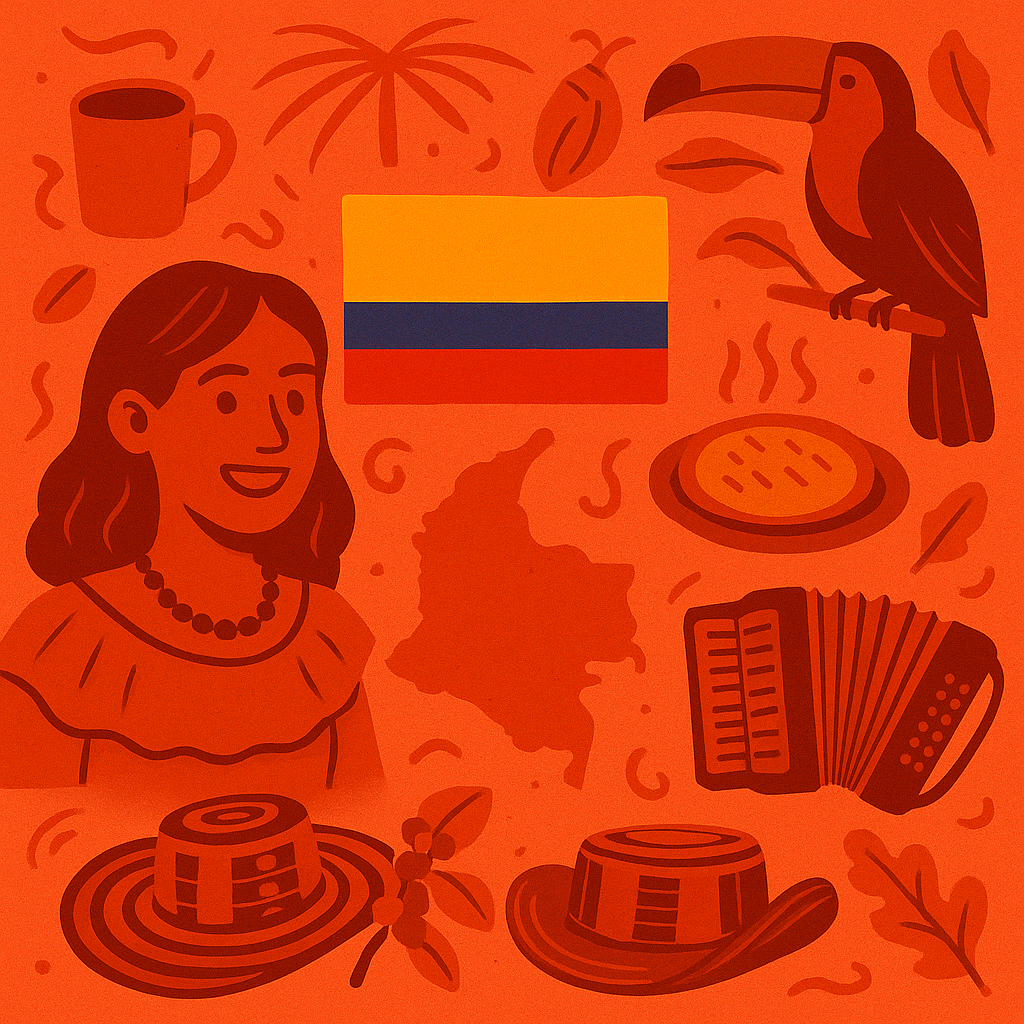
Colombia is a country rich in culture, color, and tradition. Its people, music, clothing, and customs are a reflection of a diverse heritage shaped by Indigenous, African, and Spanish influences. Two of the most iconic symbols of Colombian identity are the sombrero vueltiao and the internationally renowned Colombian coffee. Each of these represents a different but equally important part of the country’s soul: one tells a story of craftsmanship and tradition, the other speaks of flavor, work ethic, and global recognition. In this article, we’ll explore both, clearly and separately, to better understand their meaning and cultural value.
The Sombrero Vueltiao: A Symbol of National Identity
The sombrero vueltiao (translated as “turned hat”) is one of the most iconic symbols of Colombian folklore. Originating from the Caribbean region, specifically the department of Córdoba, this traditional hat is a masterpiece of Indigenous craftsmanship created by the Zenu people.
1. Origin and Craftsmanship
The sombrero vueltiao is woven from the leaves of a native plant called caña flecha. The process of making one can take anywhere from several days to weeks, depending on the quality and complexity of the design. The black and white patterns are not only visually striking but also deeply symbolic, often representing nature, animals, and local stories.
2. Cultural Significance
Originally used by farmers and cattle herders to protect themselves from the sun, the sombrero vueltiao has grown into a national emblem of pride. It is often worn during festivals, traditional dances like cumbia, and public celebrations. In 2004, it was declared a Cultural Symbol of the Nation by the Colombian Congress.
3. How It’s Worn
More than just a hat, the way the sombrero is worn can carry social meaning. For example, when tilted to one side, it might express pride or readiness for dancing. It’s commonly paired with traditional white outfits or the colorful attire worn during folkloric performances.
Colombian Coffee: A Global Treasure
While the sombrero vueltiao represents Colombia’s cultural heritage, coffee represents its economic strength and international identity. Colombian coffee is considered among the finest in the world due to the country’s unique geography and careful cultivation processes.
1. The Coffee-Growing Region
Colombia’s coffee is grown mainly in the Eje Cafetero (Coffee Axis), which includes departments like Caldas, Quindío, and Risaralda. The volcanic soil, high altitudes, and consistent rainfall create ideal conditions for growing Arabica beans, known for their smooth and balanced flavor.
2. Handpicked Tradition
Unlike in some countries where machines harvest the beans, in Colombia, coffee is still handpicked by farmers who select only the ripest cherries. This ensures higher quality and allows for better flavor control, which is one of the reasons why Colombian coffee maintains its high standards globally.
3. International Recognition
The National Federation of Coffee Growers of Colombia has played a key role in branding Colombian coffee worldwide. Their iconic character, Juan Valdez, is recognized internationally as a symbol of authenticity and quality. Colombian coffee holds a Protected Designation of Origin (PDO) status, just like Champagne in France or Parmesan in Italy.
Conclusion: Two Symbols, One Proud Nation
Colombia’s culture is full of richness and variety, and both the sombrero vueltiao and Colombian coffee represent different, yet equally vital, parts of its identity. The sombrero connects Colombians to their ancestral roots, Indigenous traditions, and artistic expressions, while coffee reflects the country’s dedication to excellence, hard work, and its impact on the global economy.
Whether you’re attending a festival in Cartagena or sipping a freshly brewed cup in the mountains of Antioquia, these two symbols remind us of what makes Colombian culture so unique, colorful, and respected around the world.